

HOME

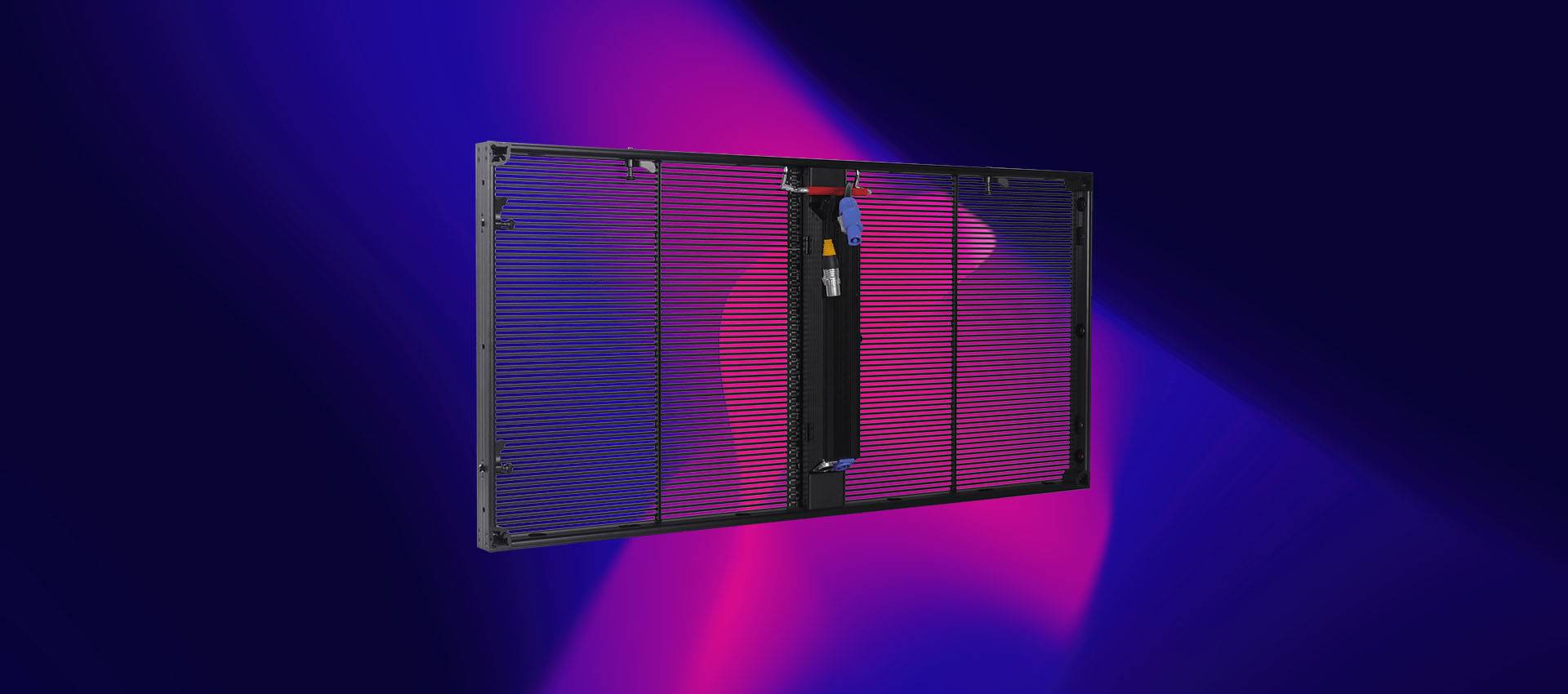


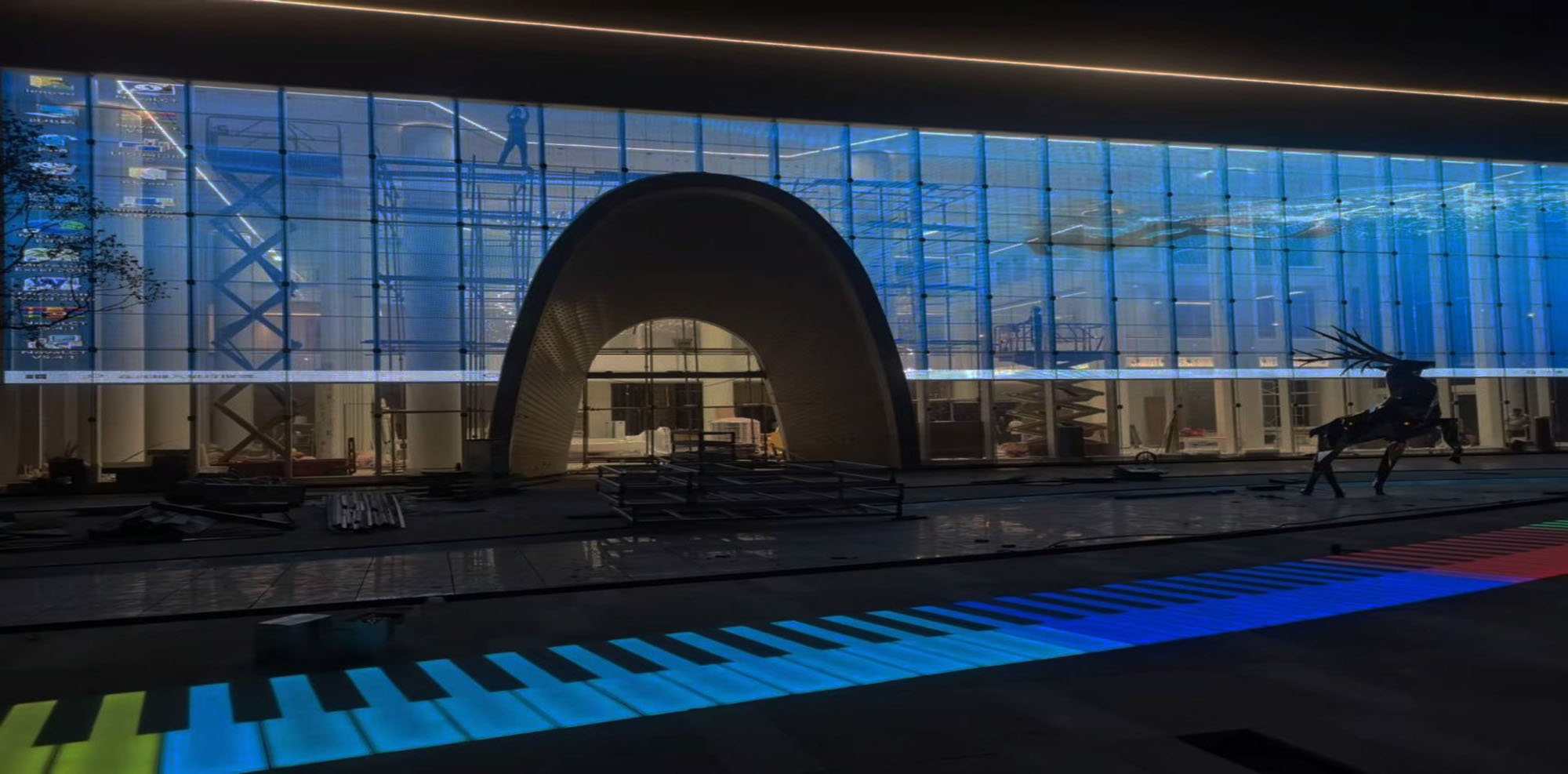

HTF Flexible Film Transparent LED Display
The flexible film transparent LED display is designed for the structure-free applications, no need heavy steel struct

HTD Double sided transparent led screen
The ultra-thin Double side transparent led display can be widely used at the shopping mall, car store, exhibition hal

HTI Holographic Invisible Screen
The Holographic Invisible transparent led screen is designed for creative and adaptable display solutions.
HTM Transparent Film LED Display
The Transparent Film LED display is designed for the structure-free applications, no need heavy steel structure, no m
HTP Outdoor LED Curtain Display
HTP outdoor led curtain display is designed for building exterior walls and landmark buildings as giant size Media Fa
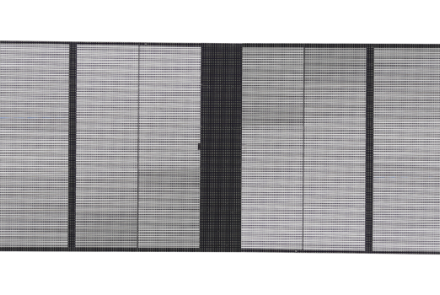
HTS Transparent LED Display
HTS Transparent LED Screen is main for the shop window, retail stores, showroom and the exhibition hall etc.
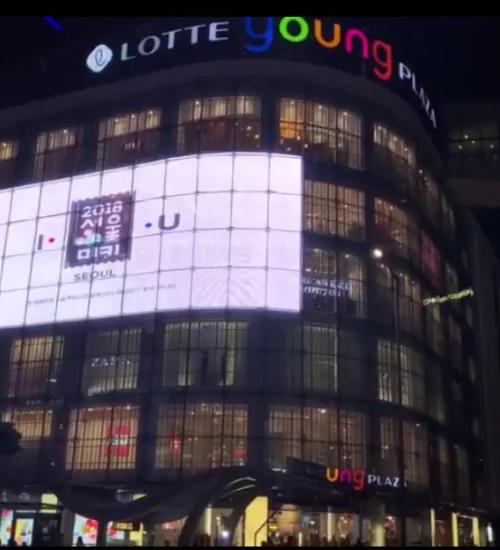
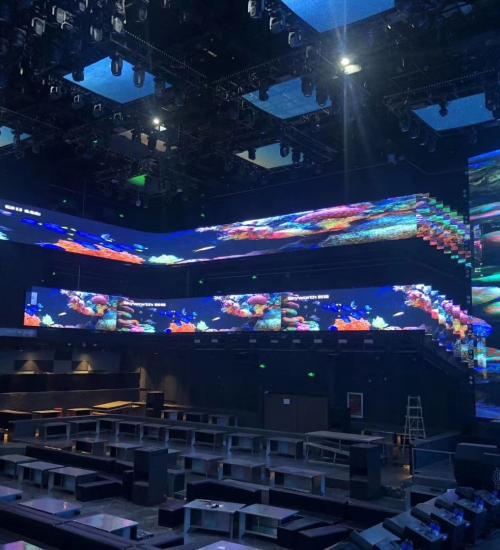
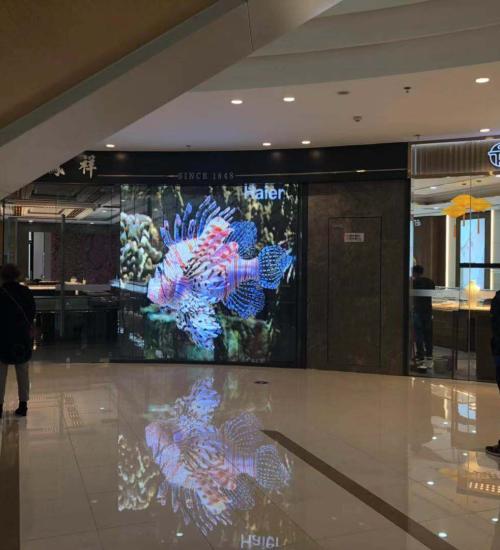
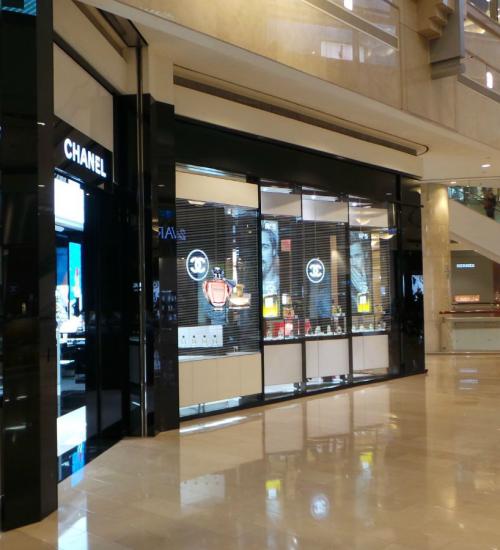
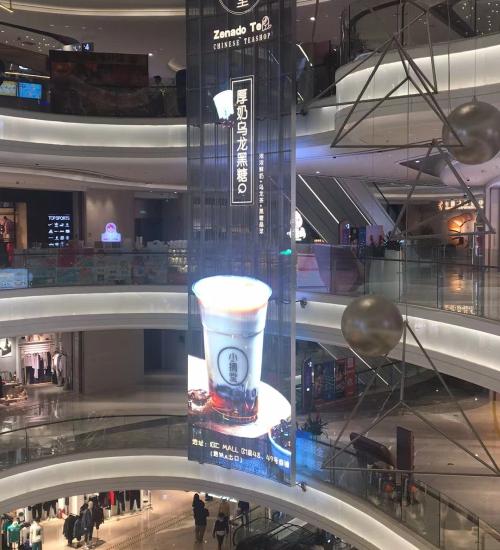
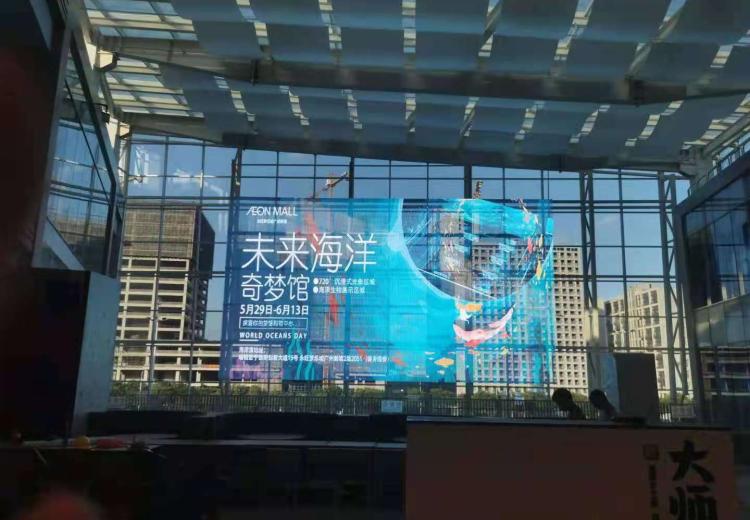
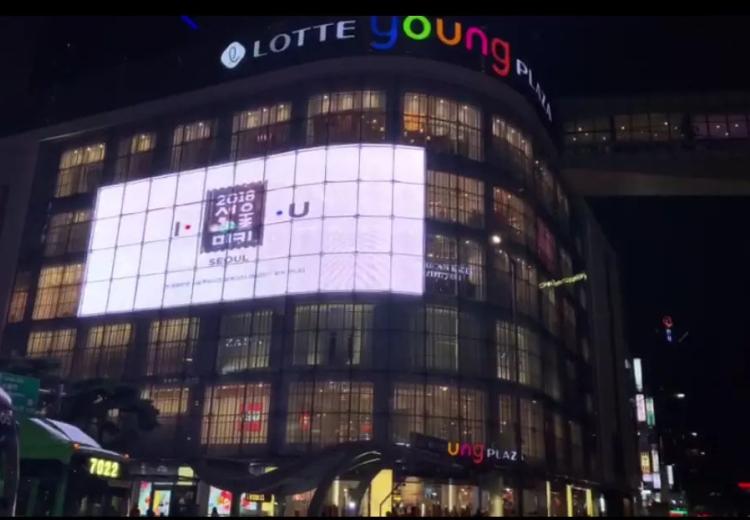
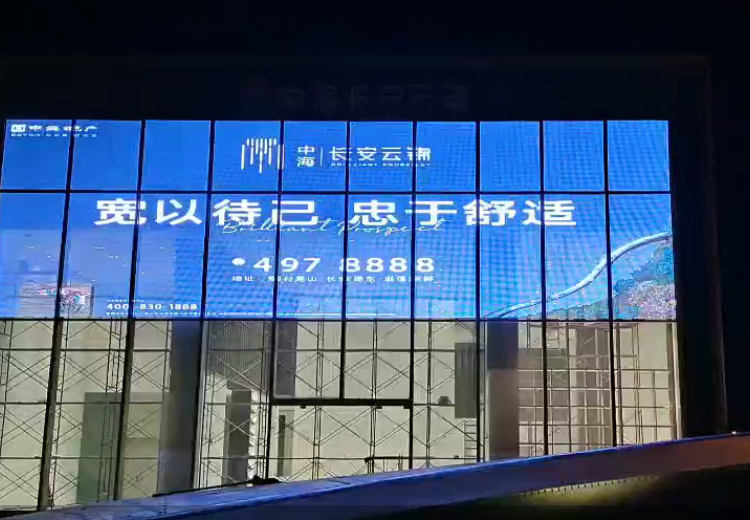
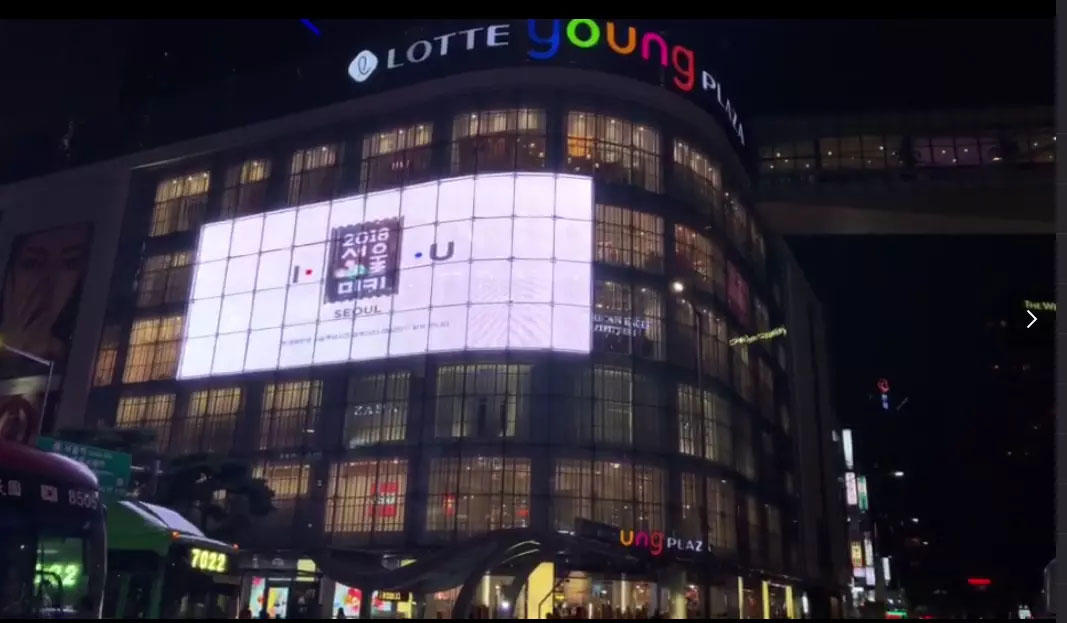
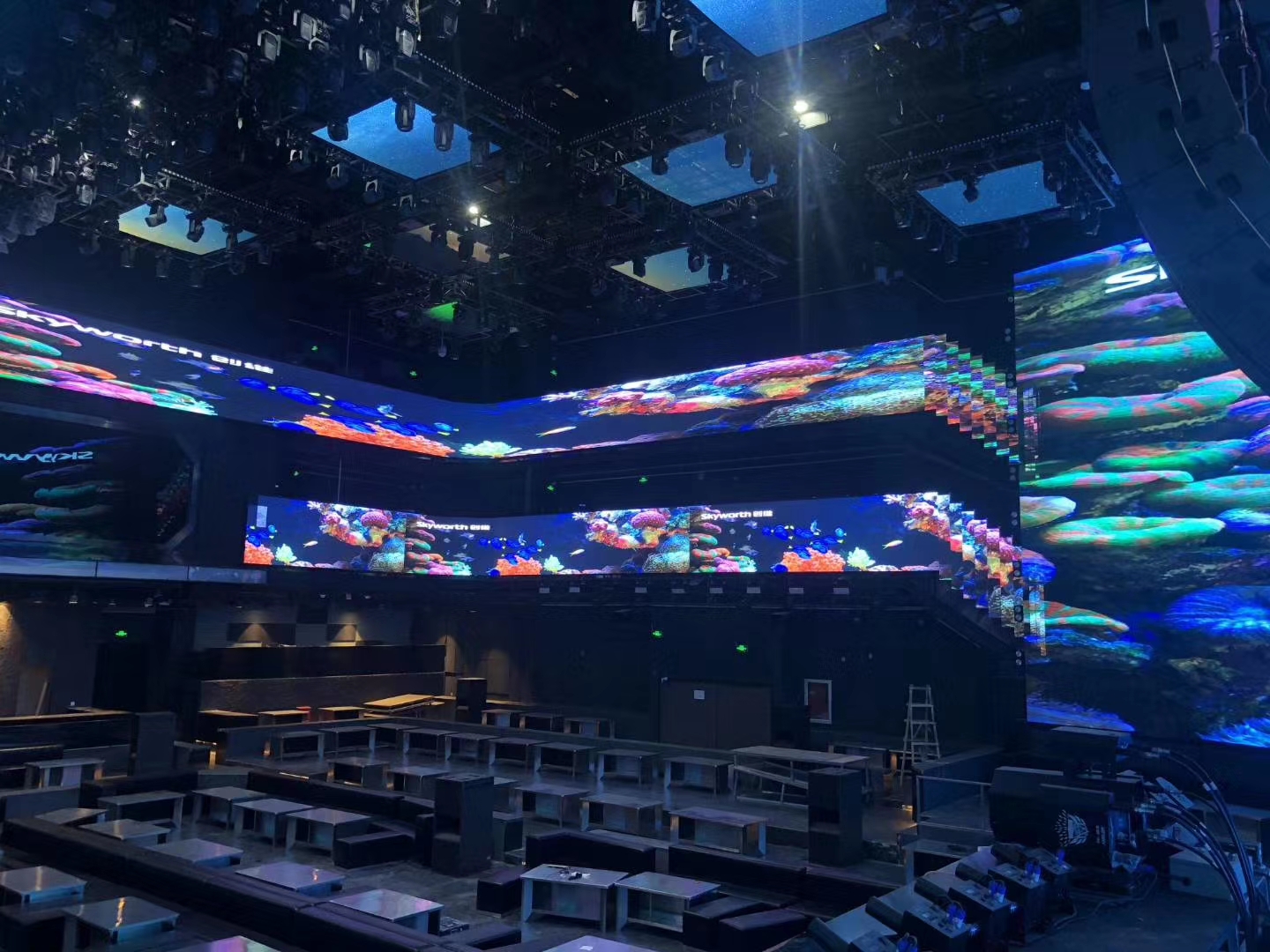

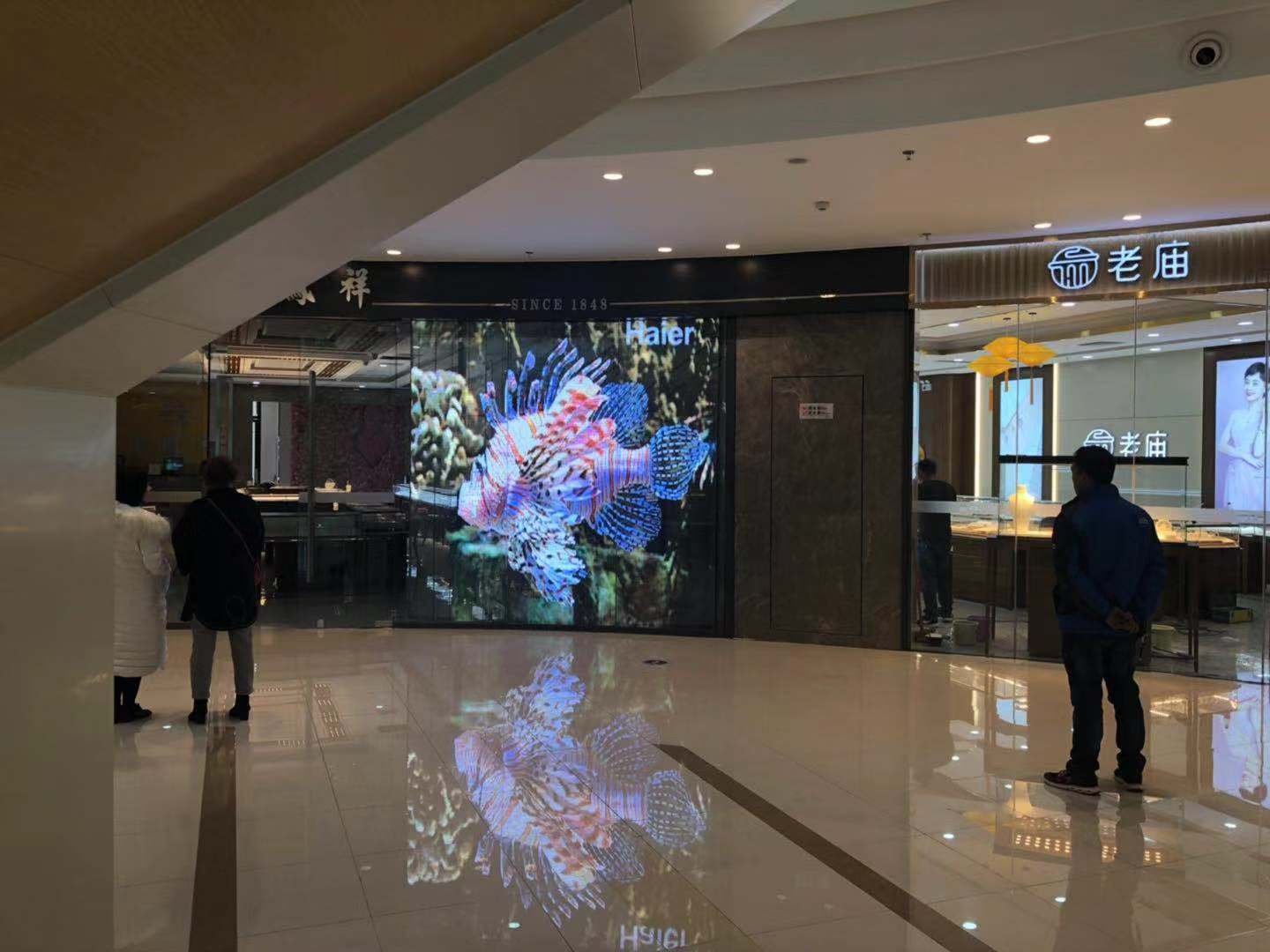
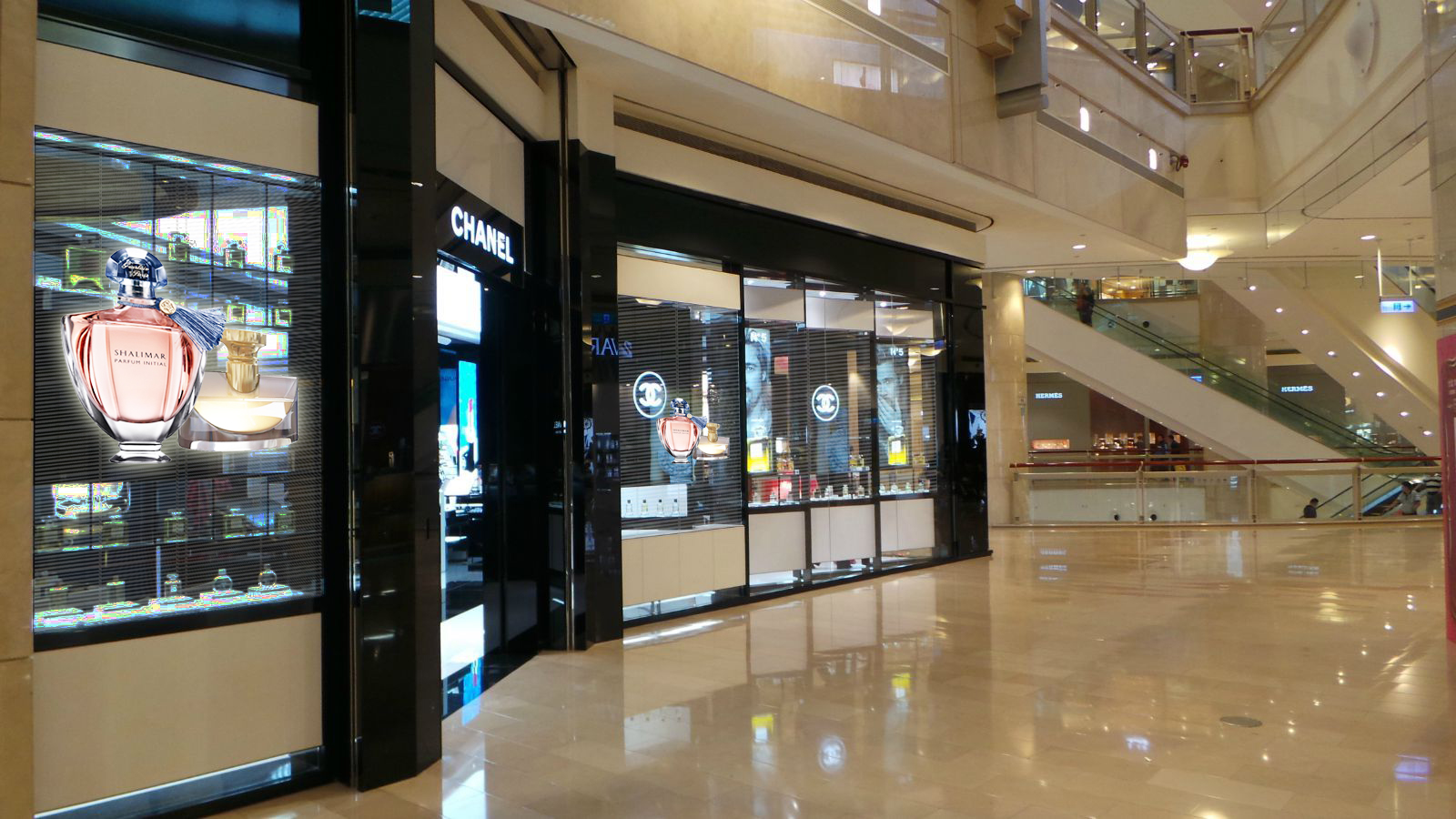








In it’s simplest form, an LED Display is a flat panel made up of tiny red, green and blue LED diodes to visually represent a digital video picture. LED displays are used around the world in various forms, such as billboards, at concerts, in airports, wayfinding, house of worship, retail signage, and so much more.
Compared to the lifespan of an LCD screen at 40-50,000 hours, an LED display is made to last 100,000 hours — doubling the life of the screen. This can slightly vary based on usage and how well your display is maintained.
When it comes to controlling the content on your LED display, it’s really no different than your TV. You utilize the sending controller, connected by various inputs like HDMI, DVI, etc., and plug in whatever device you want to use to send content via the controller.
This can be an Amazon Fire stick, your laptop, or even a USB. It’s incredibly simple to use and function, as it’s technology you’re already using everyday.
It’s important to know if you’re doing a permanent install, where you will not be moving or disassembling your LED display. A permanent LED panel will have a more enclosed back, whereas a mobile display is quite the opposite. A mobile display has a more open-back cabinet with exposed wires and mechanics. This allows for the ability to quickly access and change panels, as well as easier setup and tear down.
Additionally, a mobile display panel has features like quick locking mechanisms and integrated handles for carrying, which is perfect for trade show displays.
As it pertains to LED technology, a pixel is each individual LED. Each pixel has a number associated with the specific distance between each LED in millimeters — this is referred to as the pixel pitch. The lower the pixel pitch number is, the closer the LEDs are on the screen, creating higher pixel density and better screen resolution. The higher the pixel pitch, the further away the LEDs are, and therefore the lower the resolution.
What pixel pitch you use for an LED display is determined based on location, indoor/outdoor, and viewing distance.
A nit is the unit of measure for determining the brightness of a screen, TV, laptop, and similar. Essentially, the larger the number of nits, the brighter the display is. The average number of nits for an LED display vary — indoor LEDs are 1000 nits or brighter, whereas outdoor LED starts at 4-5000 nits or brighter to compete with direct sunlight.
Historically, TVs were lucky to be 500 nits before the technology evolved — and as far as projectors are concerned, they are measured in lumens. In this case, lumens are not as bright as nits, therefore LED displays emit a much higher quality picture.
Something to think about when deciding on your screen resolution with consideration to brightness, the lower the resolution of your LED display, the brighter you can get it. This is because as the diodes are further apart, which leaves room for using a larger diode that can increase the nits (or brightness).
Utilizing flip-chip technology is the most reliable method for bonding the chip to the board. It lowers the heat dissipation tremendously and, in turn, the LED is able to produce a brighter and more energy efficient display.
With flip-chip, you are eliminating the traditional wire connection and going with a wireless bonding method, which decreases the chances of failure greatly.
SMD stands for Surface Mounted Diode — a widely used type of LED diode today. A SMD is an improvement in technology compared to Standard LED diodes in the sense that it’s mounted directly flat against the circuit board. Standard LEDs, on the other hand, require wire leads to hold them in place on the circuit board.